Jaw clenching, also known as Bruxism, is a common condition characterized by repetitive clenching or grinding of the teeth.
It can occur during sleep or while awake. If left untreated, jaw clenching can lead to various problems including jaw pain, headaches, tooth damage, and facial pain. Understanding the causes, symptoms, and treatments is key to managing this condition effectively.
Causes of Clenching Jaw (Bruxism)

Jaw clenching can be caused by stress, anxiety, misaligned teeth, sleep disorders, medications, and personality traits. Symptoms include jaw pain, headaches, earaches, tooth damage, and temporomandibular joint disorders.
Clenching often happens unconsciously during sleep or when concentrating. Signs include worn teeth, tense jaw muscles, clicking jaw, and tongue indentations from teeth.
There are several potential causes and risk factors for jaw clenching:
Stress and Anxiety
One of the most common triggers of bruxism is stress and anxiety. Increased stress can lead to unconscious tensing of the jaw muscles during sleep or wakefulness. People with high-stress jobs or lifestyles tend to clench more.
Genetics
Some studies suggest that bruxism may have a genetic component, so you may be predisposed to clench your jaw if it runs in your family.
Sleep Disorders
People with sleep disorders like sleep apnea are more likely to clench and grind their teeth while sleeping. This may be the body’s way of keeping the airway open.
Medications
Certain medications like antidepressants, amphetamines, and some Parkinson’s disease drugs may cause bruxism as a side effect.
Misaligned Bite
An abnormal bite due to misaligned teeth or jaw issues can put a strain on the chewing muscles and lead to jaw clenching.
Personality
Personality traits like aggression, competitiveness, hyperactivity, and perfectionism have been associated with a higher risk of bruxism.
Substance Use
The use of alcohol, tobacco, caffeine, and recreational drugs can trigger jaw clenching due to their stimulant effects.
Symptoms of Clenching Jaw

Common symptoms of jaw clenching include:
Jaw pain or soreness, especially in the morning
Jaw pain or soreness, particularly upon waking in the morning, is one of the most common symptoms of jaw clenching or bruxism. The constant grinding and clenching puts strain on the jaw muscles and joints, leading to muscle fatigue, inflammation, and pain.
The pain may range from a dull, constant ache to sharp pains when chewing or opening the mouth. Since most jaw clenching occurs during sleep, the morning pain results from sustained muscle contraction all night long.
Massaging the sore jaw muscles or applying hot/cold compresses can provide some relief. If left untreated, chronic jaw clenching can cause more severe and lasting pain due to temporomandibular joint disorders.
Headaches in the temple area
Repeated jaw clenching often causes tension headaches, especially in the temples. The temporalis muscles that control jaw movement extend into the temples.
Excessive contraction of these muscles from bruxism leads to muscle tension and pain that radiates into the temple area. These headaches may be described as a constant dull ache or a sensation of tightness on the sides of the head.
They tend to be worse upon waking after a night of teeth grinding. Reducing jaw clenching and relaxing the facial and neck muscles can help relieve these headaches.
Earaches
Earaches or ear pain are common symptoms of jaw clenching because the temporomandibular joints (TMJs) that connect the jawbone to the skull are located right next to the ears.
Grinding and clenching put strain on the TMJs, potentially causing inflammation and pain that is felt in the nearby ear region. The pain may be a sharp, stabbing sensation that comes and goes.
In severe TMJ disorders from chronic jaw clenching, the cartilage in the joint can wear down and expose nerves, leading to severe ear pain. Treating the TMJ dysfunction is key to alleviating the associated ear pain.
Tooth pain or sensitivity
Excessive teeth grinding wears down tooth enamel and exposes the sensitive dentin underneath. This damage makes the teeth more vulnerable to pain from hot or cold foods and drinks.
Tooth pain from bruxism may also result from a fracture of the tooth structure. The constant grinding forces can chip teeth or cause cracks in fillings. Damaged areas then become prone to irritation and pain when chewing.
Tooth sensitivity from bruxism usually affects multiple teeth rather than just one. Using a soft toothbrush and desensitizing toothpaste can provide temporary relief.
Facial pain
The facial muscles involved in jaw movement can develop myofascial pain from repeated clenching and grinding. This leads to tender, sore spots in the muscles that are felt as facial pain.
Areas frequently affected include the masseter muscles along the jaw, temporalis muscles on the sides of the head, and medial pterygoid muscles deeper in the cheek. Gentle massage and applying moist heat can help relax the painful facial muscles. Reducing bruxism is key to preventing the recurrence of facial muscle pain.
Clicking, popping, or locking your jaw
Jaw clenching puts excessive force on the temporomandibular joints (TMJs). Over time, this can stretch the joint ligaments leading to instability and displacement of the joint disc.
When the disc is out of position, the jaw may produce clicking, popping, or grinding sounds during movement. In severe cases, the jaw may lock open or shut. TMJ disorders caused by bruxism often require treatment from a physical therapist or orthodontist to realign the joint and regain full jaw function.
Worn, cracked, or chipped teeth
The constant grinding forces from bruxism can cause severe tooth damage. Teeth may become worn down, flattened, fractured, or chipped. The enamel wears away, progressively exposing more dentin and causing tooth sensitivity.
Small cracks may form in teeth and fillings which then allow bacteria to enter and cause decay. The excessive forces make teeth more prone to fractures. Using a mouthguard helps protect teeth from damage during clenching and grinding.
Indentations on the tongue or inner cheek
Finding indentations or teeth marks on the sides of the tongue is a telltale sign of jaw clenching. These imprints result from forcefully pressing and holding the teeth against the tongue muscle. Similar indentations can appear on the inside of the cheek from grinding and clenching.
These signs appear because the tongue and inner cheek are caught between the upper and lower teeth during episodes of bruxism. The indentations are harmless but indicate excessive muscle contraction that should be addressed.
Self-care and Home Remedies for Jaw Clenching
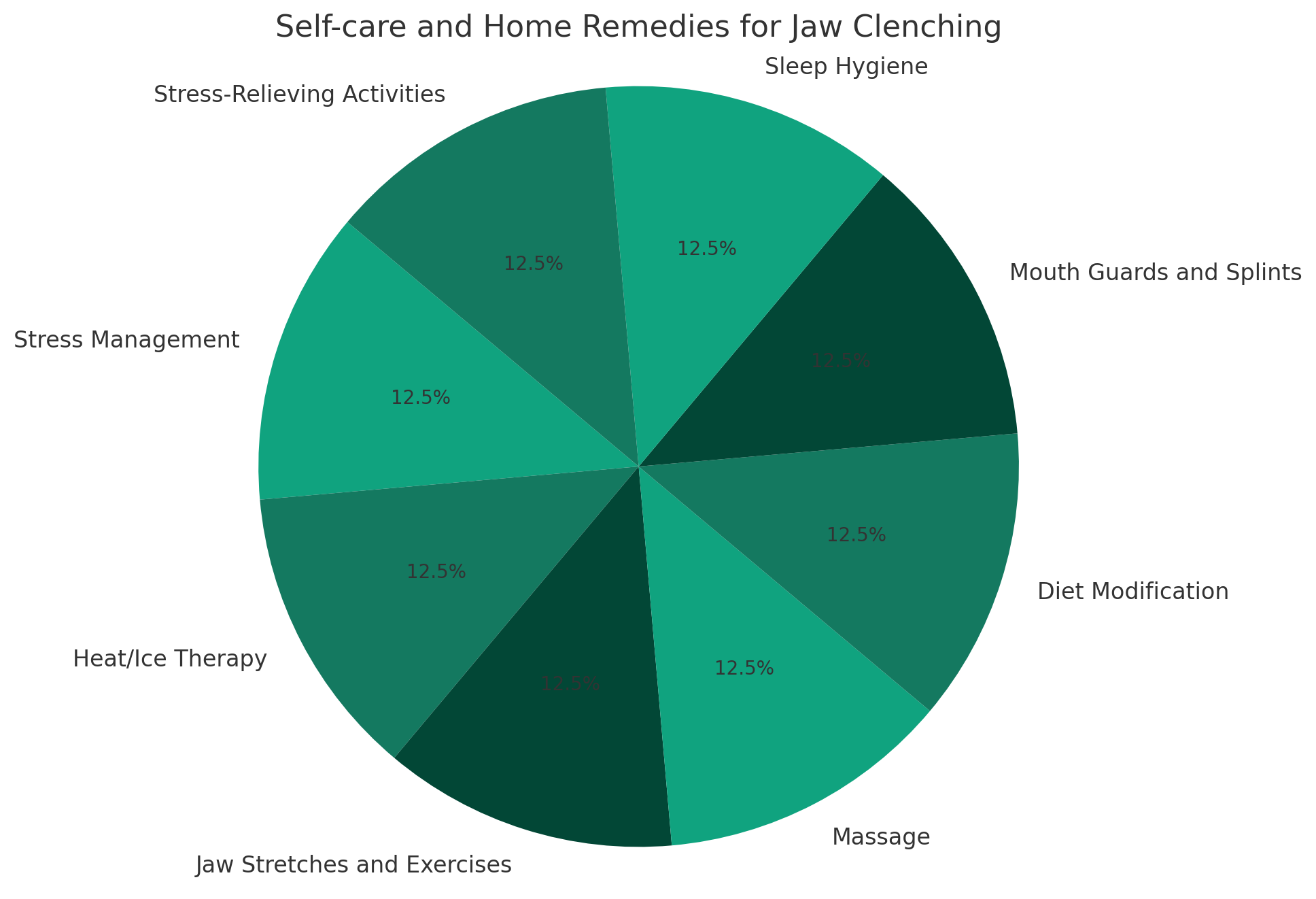
Self-care for jaw clenching includes stress management through meditation, yoga, massage, and improving sleep habits. Applying warm compresses to jaw muscles helps relax them.
Wearing a mouthguard or night guard protects teeth from damage during clenching. Limiting caffeine, alcohol, and tobacco can reduce clenching.
Several self-care techniques and home remedies can help manage bruxism and its symptoms:
Stress Management
Since stress is a major trigger, stress management through yoga, meditation, massage, and other relaxation techniques is beneficial. This helps relax the jaw muscles.
Heat/Ice Therapy
Applying hot or cold compresses to the jaw area can alleviate pain and relax the muscles. Use heat before bed and ice for acute pain.
Jaw Stretches and Exercises
Gently stretching the jaw muscles through specific exercises can help strengthen them and make them less prone to clenching. This should be done carefully to avoid injury.
Massage
Massaging the jaw, face, and neck with your fingers or a massage tool can help relieve tension in the muscles that control jaw movement.
Diet Modification
Eating soft foods, avoiding hard or chewy foods, and limiting caffeine and alcohol intake can reduce strain on the jaw muscles.
Mouth Guards and Splints
Over-the-counter or custom-made mouth guards worn at night cushion the teeth from forceful clenching and grinding.
Sleep Hygiene
Improving sleep quality by sticking to a routine sleep schedule, limiting screen time before bed, and making the room comfortable and dark can minimize sleep bruxism.
Stress-Relieving Activities
Practicing relaxing hobbies like reading, listening to music, and taking a warm bath can help take your mind off the stress and anxiety that contribute to clenching.
Professional Treatments
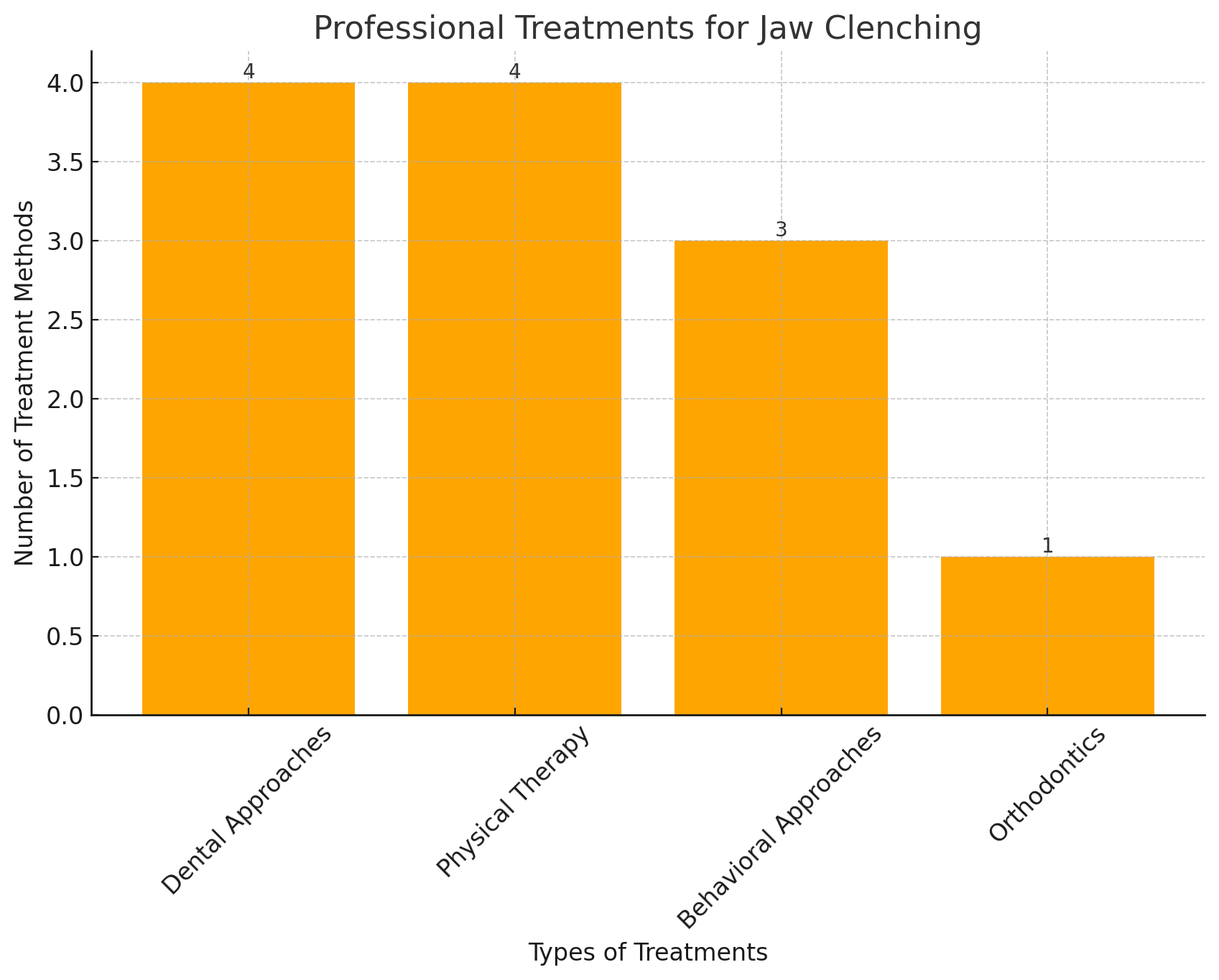
Seeing a dentist can help diagnose clenching and provide treatments like mouthguards, bite splints, dental restoration, and Botox injections to relax muscles.
Physical therapy provides massage, posture correction, and exercises for the jaw. Counseling helps manage the stress that contributes to clenching. Biofeedback training increases awareness of clenching during the day. Orthodontics may realign teeth and adjust the bite.
Dental Approaches
- Mouthguards and night guards: Custom-made mouthguards and night guards worn during sleep can protect the teeth from grinding and clenching. They provide a barrier between the upper and lower teeth and allow the jaw muscles to relax.
- Dental splints: These custom dental appliances can help realign the teeth and jaws into the proper position. This reduces strain on the muscles and minimizes teeth grinding episodes.
- Dental restoration: In severe cases of tooth wear due to bruxism, dentists may need to reshape or repair teeth using fillings, crowns, or other restorative methods.
Medications
- Muscle relaxants: Short-term use of muscle relaxants before bedtime can help relax the jaw muscles and reduce bruxism episodes. Common options are cyclobenzaprine, metaxalone, and tizanidine.
- Botox injections: Botox injections into the masseter muscles can temporarily paralyze the muscles for several months, providing relief in severe bruxism cases.
Physical Therapy
- Massage: Massaging the jaw, facial, and neck muscles can help relieve tension in the tissues, allow normal TMJ motion, and decrease pain.
- Posture correction: Correcting poor head and neck posture can take pressure off the TMJ and surrounding muscles.
- Ultrasound therapy: Ultrasound provides deep heat to the tissues which helps improve mobility and decrease muscular spasms.
Counseling and Behavioral Approaches
- Stress management counseling: If stress and anxiety underlie bruxism, counseling and therapy can help manage these factors.
- Biofeedback training: Using devices to monitor jaw muscle activity allows patients to train themselves to control clenching habits.
- Contingent electrical stimulation: Mild electrical pulses applied to the jaw muscles inhibit clenching and reduce muscle activity.
Orthodontics
- Teeth realignment: Braces, clear aligners, and other orthodontic appliances can readjust the bite and alignment of teeth to prevent grinding due to malocclusion.
In summary, a combination of dental, medical, physical therapy, and behavioral approaches is often needed to comprehensively manage bruxism and its symptoms. Consulting dental and medical professionals is key.
Latest Research and Trends
Recent research has linked Bruxism to health conditions like ADHD and Parkinson’s disease. Using Botox injections to paralyze jaw muscles is a newer treatment trend. Mobile apps help patients monitor bruxism episodes. CBD oil is being explored as a potential treatment.
The COVID-19 pandemic increased teeth grinding likely due to pandemic-related stress. Genetics and neurotransmitter imbalances may contribute to bruxism.
Recent studies have provided new insights into bruxism causes and treatments:
Role of Neurotransmitters
Imbalances in neurotransmitters like dopamine and serotonin may play a role in bruxism. Certain antidepressants that correct these imbalances have shown promise in reducing clenching.
Genetic Predisposition
Research identifies several gene mutations associated with an increased risk of bruxism, shedding light on the genetic underpinnings of this condition.
Sleep Stage Connection
Bruxism episodes predominantly occur during light sleep stages (NREM stage 2), rather than deep sleep or REM sleep. This knowledge can inform sleep stage-specific therapies.
Botox Injections
Injecting botulinum toxin (Botox) into the masseter muscles paralyzes them temporarily, providing symptom relief for several months in severe bruxism cases unresponsive to other treatments.
Biofeedback Training
Using biofeedback devices that monitor jaw muscle activity allows patients to train themselves to control clenching habits through classical conditioning. Early studies show promise.
Mobile Health Applications
New mobile apps use motion sensors to detect and record bruxism episodes during sleep. This allows better tracking of symptoms to tailor treatments.
Can Probiotic Dental Supplements Help with Jaw Clenching?
Probiotic dental supplements are becoming popular for treating various oral health issues, including jaw clenching. Certain types of dental probiotics contain beneficial bacteria that can help alleviate jaw tension and reduce symptoms of teeth grinding. Incorporating these supplements into your oral care routine may offer relief for those struggling with jaw clenching.
Key Facts
Jaw clenching is a common condition with multiple contributing factors and treatment options. Being aware of the causes, symptoms, and the latest treatment approaches empowers patients to better manage bruxism and protect their oral health.
Here are some key facts about teeth grinding (bruxism):
- Bruxism is the medical term for repetitive teeth grinding or jaw clenching. It can happen while awake or asleep.
- It is very common, affecting around 30-40 million Americans. Children commonly grind but often outgrow it as adults.
- The main symptoms include worn down, cracked, or chipped teeth, jaw pain, headaches, and damage to dental work.
- Major causes are stress, anxiety, sleep disorders, genetics, personality type, medications, and substance use.
- Treatments include mouthguards, bite splints, stress management, physical therapy, botox injections, and orthodontics.
- Recent research has linked bruxism to conditions like ADHD, Parkinson’s disease, and sleep apnea. Mobile apps now help monitor bruxism episodes.
- Protective mouthguards, relaxation techniques, avoiding triggers like caffeine, and addressing underlying causes can help manage bruxism.
- Severe, chronic teeth grinding can lead to TMJ disorders, tooth loss, and headaches if left untreated. Consulting a dentist is recommended.
Consult your dentist or doctor to determine the suitable solutions for your specific situation. With the right guidance and persistence, you can successfully minimize jaw clenching and its effects.