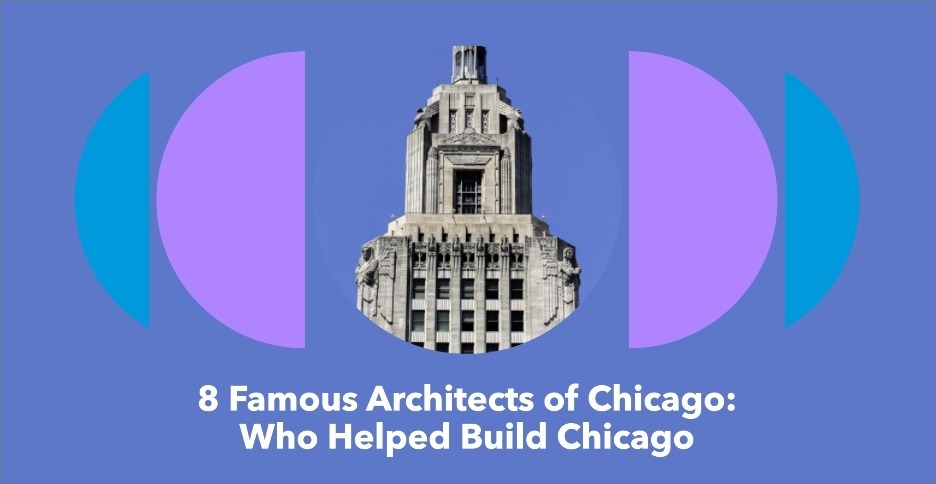
In the ever-evolving city of Chicago, the indomitable spirit of architectural brilliance has left an irrefutable impact on its skyline.
From the pioneering techniques of William Le Baron Jenney to the iconic designs of Frank Lloyd Wright, this article delves into the extraordinary contributions of eight famous architects who shaped the very essence of Chicago.
Their enduring legacies continue to inspire and captivate, reminding us of the remarkable craftsmanship and ingenuity that built this magnificent city.
Key Takeaways
- Edward J. Burling was an early settler in Chicago known for his resilient and classic designs. He built structures between the 1840s and 1890s, including notable buildings such as St. James Cathedral, DeKoven House, and Nickerson Mansion. Many of his early works were destroyed in the Chicago Fire of 1871.
- William Le Baron Jenney is credited with creating the world’s first skyscraper and was a pioneer in using metal-frame buildings. He incorporated fire-resistant materials and stone columns in his designs, contributing to the making of fireproof buildings. His notable work includes designing the 10-story structure for the New York Home Insurance Company.
- Louis Sullivan, often referred to as the Father of skyscrapers, was a mentor to Frank Lloyd Wright and a founding member of the Prairie School. His notable work includes the Carson Pirie Scott Department Store, located at the intersection of State and Madison in Chicago.
- Ludwig Mies van der Rohe was influential in shaping mid-century modernism and is known for notable designs such as the Barcelona Pavilion and Villa Tugendhat. He served as the head of the architecture department at the Illinois Institute of Technology and designed buildings like IBM Plaza, 860-880 Lake Shore Drive, and IIT’s S.R. Crown Hall.
Frank Lloyd Wright: Iconic Mid-Century Modern Architect

One of the most influential architects in the mid-20th century, Frank Lloyd Wright, shaped the architectural landscape of Chicago with his iconic mid-century modern designs.
Known as the godfather of mid-century modernism, Wright is renowned for his Prairie-style homes and modern designs. His notable works include the Robie House, Moore-Dugal Residence, and Taliesin Studio. Wright’s influence on contemporary architecture is undeniable, as his architectural philosophy and principles continue to inspire architects around the world.
He believed in integrating nature and the built environment, creating harmony between the two. Wright’s emphasis on organic architecture, where buildings are designed to be in harmony with their natural surroundings, has left a lasting impact on the field. His innovative use of space, materials, and light continues to be celebrated and studied today.
Edward J. Burling and His Classic Designs
Edward J. Burling consistently demonstrated his expertise in classic designs throughout his career as an architect in Chicago.
As one of the early settlers in the city, Burling’s architectural legacy had a significant impact on Chicago’s architectural landscape. His structures, built between the 1840s and 1890s, showcased his mastery of classic designs.
Notable builds include St. James Cathedral, DeKoven House, and the Nickerson Mansion. Unfortunately, many of Burling’s early works were destroyed in the devastating Chicago Fire of 1871. Despite this setback, his contributions to the city’s architecture were highly regarded and played a crucial role in shaping the early architectural development of Chicago.
Edward J. Burling’s dedication to classic designs left an indelible mark on the city’s architectural heritage.
Louis Sullivan: The Father of Skyscrapers
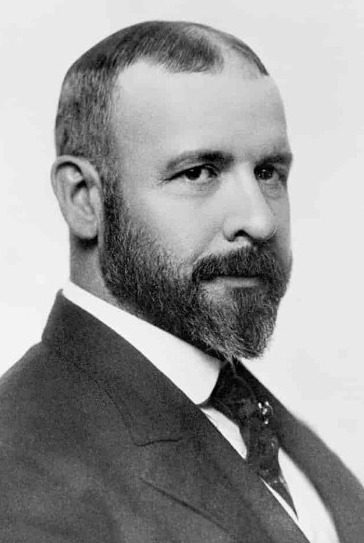
Renowned for his groundbreaking designs and innovative approach to architecture, Louis Sullivan is widely regarded as the Father of Skyscrapers, and his impact on the field resonates throughout the skyline of Chicago.
Sullivan’s influence on modern skyscraper design and his contribution to Chicago’s architectural landscape are immeasurable. As a founding member of the Prairie School architectural movement, Sullivan played a significant role in shaping the city’s architectural heritage.
His designs, such as the Carson Pirie Scott Department Store located at the intersection of State and Madison in Chicago, showcase his unique blend of organic ornamentation and functionalism. Sullivan’s emphasis on verticality, use of steel structural systems, and integration of nature into urban spaces set the stage for the development of modern skyscrapers.
His legacy continues to inspire architects today and his impact on Chicago’s architectural identity cannot be overstated.
Ludwig Mies Van Der Rohe: Influential Modernist Architect
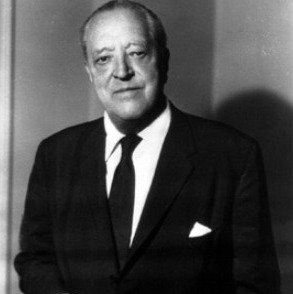
In addition to his contemporaries, Ludwig Mies Van Der Rohe played a significant role in shaping the architectural landscape of Chicago as an influential modernist architect. His impact on modernist architecture and his influence on the Chicago skyline are undeniable.
Here are three ways Mies Van Der Rohe left his mark on the city:
- Iconic Buildings: Mies’s designs are characterized by clean lines, open spaces, and the use of modern materials such as steel and glass. His iconic buildings, such as the IBM Plaza and 860-880 Lake Shore Drive, are a testament to his minimalist approach and have become symbols of modernist architecture in Chicago.
- Innovative Construction Methods: Mies revolutionized construction techniques by utilizing steel frames and curtain walls, allowing for larger windows and more open floor plans. His innovative approach to construction paved the way for the modern skyscrapers that now dominate the Chicago skyline.
- Legacy at Illinois Institute of Technology: Mies served as the head of the architecture department at the Illinois Institute of Technology (IIT). His visionary leadership and emphasis on modern design principles influenced countless students, many of whom went on to become successful architects themselves, further perpetuating his impact on modernist architecture in Chicago and beyond.
William Le Baron Jenney: Pioneer of Skyscraper Construction

William Le Baron Jenney revolutionized the field of architecture as a pioneer of skyscraper construction in Chicago. His innovative designs and techniques had a significant impact on modern architecture.
Here are three key aspects of Jenney’s work:
- Metal-Frame Buildings: Jenney was one of the first architects to utilize metal-frame construction in skyscrapers. This allowed for taller buildings with stronger structural support, paving the way for the towering structures we see today.
- Fireproof Building Techniques: Jenney’s designs incorporated fire-resistant materials and stone columns, making buildings safer and more resilient to fire hazards. His emphasis on fireproofing techniques greatly influenced future architectural practices.
- Shaping the Modern Cityscape: Jenney’s skyscrapers reshaped the Chicago skyline and set the stage for the development of urban landscapes worldwide. His groundbreaking designs revolutionized the way cities were built, combining functionality, aesthetics, and safety in a way that continues to inspire architects today.
Daniel Burnham
You should know that Daniel Burnham was one of the most influential architects in Chicago’s history. His urban planning, architectural style, and collaborations with other architects significantly impacted the Chicago skyline and modern architecture.
Burnham is best known for his urban planning, specifically his work on the 1909 Plan of Chicago. This plan aimed to improve the city’s infrastructure, parks, and transportation systems.
Burnham’s architectural style was characterized by grandeur and classical influences, seen in buildings like the iconic Chicago Tribune Tower.
His collaborations with other architects, such as John Wellborn Root, resulted in notable structures like the Rookery Building.
Burnham’s vision and creativity continue to influence modern architecture, making him a true legend in the field.
Sophia Hayden
Sophia Hayden played a significant role in the architectural history of Chicago with her innovative designs and contributions to the city’s skyline.
Despite being a female architect in the 19th century, Hayden faced numerous challenges, but her determination and talent allowed her to make a lasting impact. Influenced by renowned architects such as Louis Sullivan and Frank Lloyd Wright, Hayden incorporated their principles of organic architecture and functionalism into her designs.
Her work transformed Chicago’s skyline, showcasing her unique and innovative design concepts. One of her most notable projects was the Women’s Building at the World’s Columbian Exposition in 1893, which showcased her ability to create grand, yet harmonious spaces.
While Hayden’s achievements are often overshadowed by her male counterparts, it is important to explore her lesser-known architectural projects to fully appreciate her contributions to the field.
| Architecture Influence | Impact on Chicago’s Skyline |
|---|---|
| Louis Sullivan | Transformed the cityscape |
| Frank Lloyd Wright | Introduced organic design |
| Challenges Faced by Sophia Hayden | Innovative Design Concepts |
|---|---|
| Gender Discrimination | Functionalism |
| Lack of Recognition | Harmonious Spaces |
| Lesser Known Architectural Projects |
|---|
| Women’s Building at the World’s Columbian Exposition, 1893 |
John Wellborn Root
John Wellborn Root was a highly influential architect in Chicago, and his innovative designs continue to shape the city’s skyline today. His contributions to the field of architecture are significant, and his impact on Chicago’s architectural landscape can’t be overstated.
Here are some key points to highlight his legacy and influence:
- Influential designs: Root’s designs, characterized by their elegance and structural integrity, set a new standard for architectural excellence in Chicago. His buildings, such as the Rookery Building and the Monadnock Building, showcase his mastery of both form and function.
- Collaborations and partnerships: Root often collaborated with his partner, Daniel Burnham, forming the renowned architectural firm Burnham and Root. Together, they designed numerous iconic structures that contributed to the city’s architectural heritage.
- Impact on Chicago’s architectural landscape: Root’s work transformed the city’s skyline, establishing a new architectural identity for Chicago. His innovative use of steel-framed structures paved the way for the skyscrapers that would come to define the city.
- Legacy and contributions to the field: Root’s architectural contributions extended beyond his lifetime. His designs and principles continue to inspire architects and shape the built environment of Chicago.
- Architectural style and influences: Root was influenced by a variety of architectural styles, including the classical and Gothic revival styles. His designs were also influenced by his travels to Europe, where he studied and drew inspiration from European architecture.
Frequently Asked Questions
What Were Some of Edward J. Burling’s Early Works in Chicago Before the Great Fire of 1871?
Edward J. Burling’s notable early works in Chicago before the Great Fire of 1871 include St. James Cathedral, DeKoven House, and Nickerson Mansion. These resilient and classic designs showcased his talent as an architect.
How Did William Le Baron Jenney Contribute to Making Buildings Fireproof in His Skyscraper Designs?
William Le Baron Jenney contributed to making buildings fireproof in his skyscraper designs through his innovative use of metal-frame construction and fire-resistant materials. His designs had a significant impact on Chicago’s architecture, setting the stage for the city’s iconic skyline.
What Other Notable Buildings Did Louis Sullivan Design Apart From the Carson Pirie Scott Department Store?
Apart from the iconic Carson Pirie Scott Department Store, Louis Sullivan’s notable designs include the Wainwright Building in St. Louis, the Guaranty Building in Buffalo, and the National Farmers’ Bank in Owatonna. Sullivan’s architectural influences and impact on Chicago’s skyline are widely recognized.
What Are Some of the Notable Designs by Ludwig Mies Van Der Rohe That Shaped Mid-Century Modernism?
Ludwig Mies van der Rohe’s notable designs, such as the Barcelona Pavilion and Villa Tugendhat, shaped mid-century modernism. His minimalist aesthetic and influence on contemporary architecture have had a lasting impact on the field.
Besides His Prairie-Style Homes, What Other Modern Designs Is Frank Lloyd Wright Known for in Chicago?
Exploring the iconic structures influenced by Frank Lloyd Wright in Chicago reveals the lasting impact of his architectural vision on the city’s skyline. Aside from his Prairie-style homes, Wright is known for modern designs such as the Robie House and Taliesin studio.
How Does Feng Shui Influence the Architecture of Chicago?
Feng Shui greatly influences the architecture of Chicago, with many buildings incorporating dragon and phoenix symbolism in Feng Shui. The balance of these powerful symbols is believed to bring harmony and prosperity to the city’s skyline, making it a vital aspect of Chicago’s architectural design.
Conclusion
In conclusion, the architects of Chicago have left an enduring legacy through their innovative designs and groundbreaking techniques. From Edward J. Burling’s classic structures to Frank Lloyd Wright’s modernist masterpieces, each architect has contributed to the city’s iconic skyline.
Their work not only shaped the physical landscape of Chicago but also influenced architectural movements around the world. It is ironic that these architects, who built timeless structures, are themselves now immortalized through their architectural achievements.