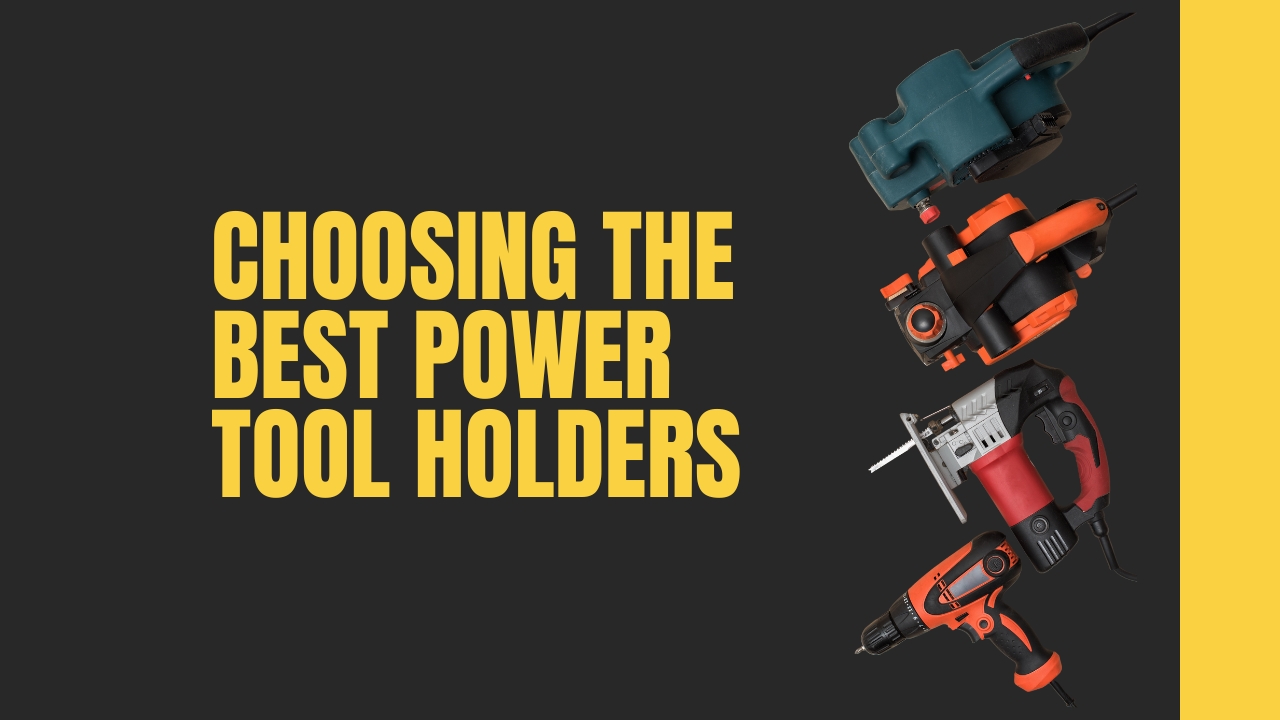

Power tools have become essential items for DIYers, professional contractors, and anyone who needs to cut, drill, sand, or shape materials. However, the challenge comes in keeping all those tools organized and easily accessible. That’s where power tool holders come in.
Power tool holders are storage solutions designed to neatly organize power tools and their accessories. Having a proper storage system for your power tools makes your workspace more efficient, safer, and extends the life of your investments.
In this blog post, we’ll cover the key factors to consider when choosing power tool holders and review the top options to keep your gear secure while saving space.
Key Takeaways:
- Power tool holders keep your tools organized and damage-free while saving space.
- Consider the size, material, and mounting style when choosing holders.
- Wall-mounted panels, mobile carts, and tool chests are common holder types.
- Proper storage protects your power tools and improves workspace safety.
Types of Power Tool Holders for an Organized Workspace
Having an organized workshop with proper storage solutions for your power tools is essential for any DIYer or professional. The right power tool holders keep your valuable investments secure, damage-free, and easily accessible when needed.
There are several types of holders to choose from based on your needs:
Wall-Mounted Tool Racks
Having your tools easily accessible on the wall keeps the workspace free of clutter and makes it simple to find the right tool. Wall-mounted tool racks utilize vertical space to organize tools in plain sight.
We’ll explore the benefits of going vertical, from freeing up floor space to allowing custom tool arrangements at a glance. Discover mounting options, weight capacities, and styles to find the ideal wall-mounted rack for your needs.
Wall-mounted racks utilize vertical space to store tools off the floor. They come in various configurations with slots, hooks, and holsters to accommodate handheld power tools.
Benefits:
- Frees up floor space
- Tools visible at a glance for easy access
- Can be mounted on pegboard, slatwall, or directly on studs
- Often include specialized drill and driver holsters
Considerations:
- Ensure mounting location has adequate studs/support
- May need multiple racks for large collections
- Can’t store larger tools like miter saws
Popular options: Gladiator GearWall panels, Rubbermaid FastTrack system, Milwaukee PACKOUT mounts
Magnetic Tool Strips
Magnetic tool strips provide a versatile storage solution using powerful rare earth magnets. This introduction will highlight how magnetic strips can be utilized beyond standard tools like wrenches.
We’ll cover how magnetic strips can organize knives, spices, craft supplies, and more with a little creativity. See how magnets transform metal surfaces into instant tool holders. Consider strength, mounting options, and customization when selecting magnetic strips. Add order to your workspace with this simple yet flexible storage technique.
Magnetic strips affix tools to metal surfaces like tool chests or workbenches using powerful rare earth magnets.
Benefits:
- Convenient temporary storage while working
- Can be positioned horizontally, vertically, or overhead
- Often include hooks and holsters for hanging tools
- Useful for small metal parts and hardware
Considerations:
- Only work on ferrous metal surfaces
- Not meant for permanent storage
- Magnets can interfere with electronics
Top brands: Ernst Manufacturing, MagnoGrip, RAK Magnetic
Tool Chest Organizers
Maximize your investment in a tool chest or cabinet with customized organizers. This introduction will highlight storage solutions like removable trays, foam inserts, and charging stations to keep your tools secure and arranged.
Discover how specialized organizers make tools easy to identify and access in a large chest. We’ll cover customizing organizers when your tool collection changes over time. Optimize tool chest storage and portability with these organizational accessories.
From removable trays to custom foam inserts, organizers maximize tool storage inside chests and cabinets.
Benefits:
- Customizable to fit your specific tools
- Prevent tools from shifting during transport
- Some include charging stations for batteries
- Keeps tools protected from dust and moisture
Considerations:
- Only fit inside storage chests/cabinets
- Foam inserts take time to customize
- Limit future reconfiguration
Quality products: DeWalt TSTAK tool box inserts, Keter tool chest organizers, Olsa Tools foam inserts
Pegboard Tool Holders
Pegboard provides an inexpensive, customizable solution for DIY tool storage. This introduction will highlight the range of pegboard attachments like hooks, baskets, and holsters that accommodate all tool types.
We’ll explore simple workarounds for pegboard’s limitations like weight capacity and dust protection. See how this modular system allows reconfiguring your pegboard arrangement as needed. Bring order to your home workshop with this budget-friendly storage technique.
Pegboard attachments like hooks, baskets, and holsters hold tools on the popular perforated hardboard panels.
Benefits:
- Inexpensive DIY storage solution
- Fully customizable layout
- Easy to reconfigure as needed
- Attachments available for all tool types
Considerations:
- Pegboard takes up wall space
- Tools not protected from dust/moisture
- Weight limitations depending on mounting
Top brands: Rubbermaid, Stanley, Gladiator
Tool Belt Attachments
Specialized pouches allow assembling a customized tool belt for your trade. This introduction will highlight attachments like holsters, hooks, and pockets to keep tools secure yet accessible.
We’ll cover choosing attachments based on your common tasks and tools. See how customized belts reduce fatigue versus traditional toolboxes. With the right pouches, create a portable toolkit optimized for your needs.
Specialized pouches, holsters, and hooks that attach tools directly to a tool belt or vest.
Benefits:
- Provides immediate access to tools at your fingertips
- Distributes tool weight across hips rather than in pockets
- Frees up hands for tasks instead of carrying tools
Considerations:
- Only fits smaller hand tools, not power tools
- Can strain back if overloaded
- Extra pouches add cost
Leading brands: Occidental Leather, Dead On Tools, CLC Work Gear
Mobile Tool Carts
Mobility is essential for today’s job sites and home workshops. This introduction will highlight rolling carts that make transporting tools easy. We’ll explore models with drawers, shelves, and hooks to keep tools protected during transport.
Understand key features like durable casters, integrated power, and locking mechanisms for security. Discover how today’s tool carts follow the workspace to boost productivity.
Rolling carts with drawers, shelves, and hooks provide portable power tool storage.
Benefits:
- Locking casters allow easy transportation
- Bring tools directly to project area
- Offers enclosed storage for dust protection
- Allows charging batteries on board
Considerations:
- Heavy duty casters add cost
- Carts take up floor space when stationary
- Size limits number of tools stored
Quality brands: Milwaukee PACKOUT, Dewalt ToughSystem, Ridgid ProStack
Overhead Storage Systems
Look up for additional storage possibilities with overhead racks. This introduction will highlight systems that utilize airspace above workbenches and counters.
We’ll discuss different mounting styles from ceiling racks to retractable pulleys. Consider height and accessibility tradeoffs versus valuable floor space savings. See how overhead storage adds capacity without a larger footprint. Maximize your workspace by going vertical.
Racks mounted above the workspace keep tools up and out of the way but still accessible.
Benefits:
- Frees up benchtop and floor space
- Allows quick access to tools when needed
- Can integrate with pulley systems to lower tools down
- Helpful for small home shops
Considerations:
- Requires sturdy ceiling support
- Ergonomics of reaching up for tools
- Visibility of tools reduced
Top products: Fleximounts overhead racks, StoreYourBoard overhead racks
Portable Tool Bags
Jobsite portability requires durable yet lightweight carrying solutions. This introduction will highlight tool bags with specialized padded compartments to protect contents.
We’ll explore features like customizable pocket configurations and ergonomic straps. Understand material choices from canvas to ballistic nylon. See how today’s tool bags make organizing safe transport easy. Discover the right portable storage for your trade.
Bags with padded compartments and pockets provide protected transportation of tools.
Benefits:
- Lightweight and easy to carry to job sites
- Padded bags protect tools during transport
- Specialized pockets organize small parts
- No need to unload tools at the end of the day
Considerations:
- Won’t work for large power tools
- No charging capabilities
- Less organization than chests
Top brands: Veto Pro Pac, CLC Work Gear, Milwaukee job site bags
Choosing the right power tool holders for your needs keeps your investments secure while creating an efficient and organized workspace. Evaluate your tool collection, job site requirements, budget, and workspace to select the storage solutions that will maximize your productivity.
Benefits of Power Tool Organizers and Holders
Investing in power tool holders provides many advantages:
1. Protection from Damage
Power tools left loosely on shelves or workbenches are prone to falling and getting damaged. Proper holders securely store tools to prevent falls and dings. Storage also protects tools from dirt, dust, and moisture when not in use.
2. Organization
The right holders keep all your tools neatly organized in specific spots. This prevents wasting time searching for a tool you need. Labeled storage ensures tools go back in the proper place.
3. Workspace Safety
Loose tools lying around are tripping hazards. Storing tools properly improves job site safety by keeping high traffic areas clear. Proper storage also restricts access to dangerous tools.
4. Tool Longevity
When not in use, power tools should be stored in a clean, dry environment. Proper holders protect against corrosion and deterioration, extending the lifespan of your tool investments.
5. Portability
Mobile tool carts with wheels or carrying handles allow you to transport tools securely between job sites or different areas of your workspace.
6. Space Saving Design
Wall-mounted panels and vertical holders maximize storage density. This frees up valuable floor space for projects. Compact holders also work for small home workshops.
Use Cases for Power Tool Holders
Power tool holders serve a vital purpose in keeping tools secure, organized, and easily accessible. This introduction will highlight the wide range of use cases for power tool holders, from large professional workshops to small home DIY projects.
Proper storage is essential whether you’re a contractor transporting tools to job sites or a hobbyist with a modest collection. We’ll explore how power tool holders are versatile solutions for various users.
Power tool holders serve many applications:
- Garage workshops – Keep tools secure but accessible on the wall or a mobile cart.
- Jobsite trailers – Safely transport tools to work sites with mobile storage.
- Vans/trucks – Prevent tool damage with rugged in-vehicle storage.
- Small home workshops – Vertical holders save space in compact rooms.
- DIYers – Affordable wall panels neatly organize modest toolsets.
- Contractors – Protect large professional tool investments on the go.
- Mechanics – Specialized chests keep automotive tools sorted.
- Makerspaces – Shared storage keeps communal tools organized.
Factors to Consider When Buying
Choosing the right power tool holder requires careful consideration of several key factors. This introduction will provide an overview of the critical aspects to weigh when selecting power tool storage.
Key considerations include available space, portability needs, tool sizes, and weights, and desired mounting style. Carefully evaluating these factors allows buyers to select holders tailored to their specific tools and workspace.
The proper holder keeps valuable tools protected while maximizing organization and accessibility.
Choosing the right power tool holders involves considering factors like:
Size
Measure the tools you need to store to pick a holder large enough to fit them all. Also, consider future expansion.
Material
Look for sturdy materials like steel, hard plastics, and plywood that will securely support tools. Avoid flimsy options.
Mounting Style
Wall, floor, vehicle, and workbench mounting provide different benefits. Choose what best fits your space.
Mobility
Wheeled carts or carrying handles allow for transporting tools. Stationary cabinets maximize space.
Security
Locking cabinets keep expensive tools secure. Open panels work for low-cost tools in private shops.
Customization
Modular panels with adjustable hooks allow reconfiguring as your needs change.
Maintenance Tips for Power Tool Holders
To get the most out of your power tool holder investment, proper maintenance is essential. This introduction will highlight key maintenance practices that prolong the life of holders and ensure smooth operation.
Simple periodic maintenance steps like cleaning, lubrication, inspection, and part replacement go a long way in preventing deterioration. Implementing basic care routines helps avoid costly repairs down the road.
We’ll provide an overview of fundamental maintenance tips to keep any power tool holder functioning optimally.
To keep your power tool holders in good shape:
- Use inserts or foam to prevent tool movement and damage during transport.
- Clean holders regularly with a vacuum and compressed air to remove dust.
- Wipe down tool carts and chests to prevent grime buildup.
- Lubricate drawer slides and hinges on cabinets to prevent sticking.
- Check for loose mounting hardware and tighten if needed.
- Repair any cracked welds, hinges, or broken hooks immediately.
- Use touch-up paint on scratches to prevent rusting.
Proper care will keep your power tool holders functioning smoothly for years.
Safety Measures for Power Tool Storage
When storing potentially dangerous power tools, safety should be the top priority. This introduction will underscore critical safety precautions to implement when organizing power tools.
Measures like locking up hazardous tools, mounting holders securely, positioning carts carefully, and using protective inserts help reduce risk.
We’ll highlight fundamental methods for keeping your workspace, tools, and others safe when setting up power tool storage. Prioritizing safety saves lives and prevents avoidable accidents.
Storing tools properly minimizes safety risks, but additional precautions include:
- Keep sharp edges covered with inserts to prevent cuts.
- Position carts/chests out of high traffic zones to prevent tripping.
- Ensure cabinets and shelves are firmly secured to prevent tipping.
- Store hazardous tools like nail guns locked up or out of reach of children.
- Don’t overload storage with weight beyond rated capacity.
- Lock wheeled carts before transporting tools in vehicles.
Following basic safety practices keeps your workspace accident-free.
How We Test Power Tool Holders
Assessing power tool holders thoroughly is crucial to providing buyers with reliable recommendations. This introduction will describe our comprehensive testing methodology when reviewing power tool storage solutions.
We evaluate critical performance criteria like durability, tool fit, storage density, mobility, ease of assembly, and appearance. Gathering real-world feedback from product owners also informs our evaluations.
Outlining our rigorous hands-on testing process demonstrates our commitment to equipping buyers with trustworthy information.
When reviewing power tool holders, we assess:
- Durability – Will it withstand job site conditions and continue functioning smoothly long-term?
- Tool Fit – How well does it accommodate the typical tools DIYers and contractors use?
- Storage Density – How many tools can it neatly organize per square foot?
- Mobility – For wheeled models, how easily do they move over surfaces?
- Value – Does the quality justify the price for most buyers?
- Assembly – Were installation instructions clear and was it simple to put together?
- Appearance – Does it look professional enough for client-facing businesses?
We gather feedback from product owners to evaluate real-world performance.
Frequently Asked Questions
What are the best power tool holders for small home shops?
For modest DIY tool sets, affordable wall-mounted panels from brands like Gladiator or Wall Control work well. They provide organized storage without taking up much floor space.
What kind of power tool storage do professionals use?
Contractors often transport tools frequently between jobs. Truck bed storage like DeWalt’s ToughSystem provides sturdy in-vehicle transport. For the shop, locking metal chests and cabinets keeps expensive tools secure.
How should you arrange tools on a storage panel?
Place handheld tools like drills, sanders, and jigsaws at eye level for easy access. Position specialty tools like routers and nail guns higher up. Use small shelves for batteries and chargers.
What safety tips should you follow when storing tools?
Keep sharp blades covered, position carts out of busy areas, securely mount panels, and store hazardous tools locked up. Take precautions when moving mobile cabinets.
Should you store tools in their original cases?
For home use, original cases work fine for keeping tools protected. But they take up more space than wall panels. Cases still work well for transporting tools outside the shop.
Key Facts About Power Tool Holders
Adding high-quality power tool holders to your workspace keeps your gear organized, protected, and easy to access. Options like wall panels, mobile workstations, truck storage, and tool chests all provide benefits for different use cases.
Considering your specific needs and tools allows you to pick the best storage solution to maximize your productivity and safety.
- The first power tools emerged in the late 1800s but power tool holders only became common in the 1960s and 70s.
- Early versions were made from wood or metal while modern holders use durable plastics.
- Modular holders with adjustable hooks allow custom configurations for different tool sets.
- Locking casters improves mobility while preventing wheeled cabinets from rolling unexpectedly.
- Foam inserts help secure tools and prevent damage from collisions during transport.
Investing in proper power tool organization saves time, reduces clutter, improves safety, and extends the life of expensive power tools. So don’t settle for messy clutter or unsafe storage. Your tools deserve a purpose-built home.