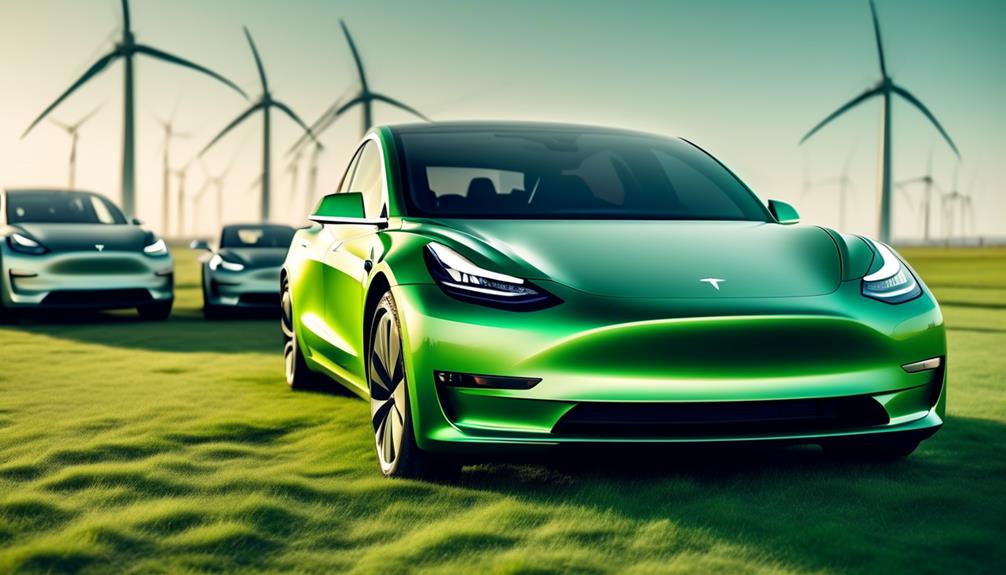

In the world of automobiles, Tesla shines as a beacon of innovation while its silence on emissions data casts a shadow of doubt; you're left to wonder if the company's eco-friendly claims stand up to scrutiny.
As you navigate the landscape of green vehicles, it's essential to understand where Tesla's electric dreams meet reality. You'll find that this comprehensive review doesn't just praise the achievements of Elon Musk's brainchild but also places Tesla's environmental impact under a stringent microscope.
Comparing its promises to the tangible strides taken by industry giants like General Motors and Ford, you'll discover whether Tesla truly leads the charge or if it's merely a piece in a larger puzzle of sustainable transportation.
Stay with us as we explore the intricate relationship between Tesla's innovations, the green economy movement, and the broader environmental implications of electric vehicles—because the truth might not be as clear-cut as it appears.
Tesla's Eco-Friendly Vision
Tesla's pursuit of sustainability reshapes the automotive landscape as it champions the push towards renewable energy and electric vehicles. You've likely heard about Tesla's ambitious goal to accelerate the world's transition to sustainable energy. This vision isn't just about producing electric cars; it's about creating an entire ecosystem that supports a greener future. Tesla cars are more than just vehicles—they're a statement about where the future of transportation should be heading.
By offering solar panels and Powerwall batteries, Tesla enables you to generate and store solar energy, reducing your reliance on fossil fuels. However, Tesla's commitment has been scrutinized due to its lack of transparency in carbon emissions reporting. This contrasts with the explicit carbon-reduction goals set by competitors like General Motors and Ford.
Despite these concerns, Tesla's impact is undeniable. Their innovations in electric cars have set a new standard for the industry. The integration of solar energy and sustainable design in their factories, along with the development of efficient electric SUVs, show Tesla's comprehensive approach to a sustainable future.
Your choice to drive a Tesla is a step towards lowering emissions, an alternative that contributes to the significant reduction of overall emissions.
Electric Vehicle Performance
While Tesla's vision integrates sustainable living from the road to the rooftop, the performance of electric vehicles stands as a testament to their potential to revolutionize driving dynamics. You're not just driving a car; you're commanding a vehicle with an electric motor that delivers instant torque for seamless and rapid acceleration. This isn't the sluggish electric car stereotype of the past. Today's EVs, especially Teslas, sprint from 0 to 60 mph in astonishingly quick times that rival, if not surpass, their gasoline-powered counterparts.
The heart of this performance lies in the advanced battery packs that not only provide impressive range on a single charge but also support the robust all-wheel drive systems that many electric vehicles now feature. This all-wheel drive isn't just about traction – it's about precise handling and exhilarating performance.
To add depth and complexity:
- Instant Torque: The electric motor provides immediate power, transforming how you experience acceleration.
- Regenerative Braking: This innovative feature not only conserves energy but also extends the range of your EV.
- Silent Operation: Electric vehicles offer a quiet ride, free from the roar of an internal combustion engine, allowing you to enjoy the sound of silence.
Tesla's Energy Efficiency
Pioneering the charge towards a greener future, Tesla integrates energy efficiency into every aspect of their vehicles, from advanced battery technology to sustainable production practices. You'll find that the Model S, like all Tesla models, is designed with minimal energy consumption in mind. As an electric car enthusiast, you'll appreciate that Tesla goes beyond just the vehicles, offering solar panels and Powerwall batteries, allowing you to power your Tesla with clean solar energy and store it efficiently.
Research and development at Tesla are relentless, focusing on maximizing the electric car's range and battery longevity while ensuring responsible recycling of battery components. It's not just about the cars; Tesla's factories embody the same ethos. They're crafted to limit waste and reduce energy consumption, using innovative strategies such as highly efficient windows and AI-driven optimization of energy use.
The Model Y All-Wheel Drive stands as a testament to this commitment, achieving an impressive 4.0 EPA miles per kWh. It's the most efficient electric SUV on the market, setting a high bar for competitors. By driving a Tesla, you're part of a movement that significantly cuts emissions per mile compared to gas-powered counterparts, actively contributing to the reduction of overall emissions.
Environmental Impact Analysis
Building on Tesla's commitment to sustainability, it's crucial to examine the broader ecological ramifications through Environmental Impact Analysis. This comprehensive assessment digs into the environmental footprint of electric vehicles (EVs) like Tesla's, considering their full lifecycle from the energy to power them to the disposal of car batteries.
The analysis scrutinizes several factors:
- Greenhouse Gas Emissions: EVs, including Tesla's models, typically emit fewer greenhouse gases over their lifetime compared to internal combustion engine vehicles. This is due to their higher energy efficiency and the potential for electricity to be generated from renewable sources.
- Carbon Emissions During Production: The manufacturing process for electric cars, especially the production of lithium-ion batteries, is energy-intensive and contributes to carbon emissions. However, these emissions can be offset over the vehicle's life through reduced operational emissions.
- Sustainability of Car Batteries: The environmental impact of mining and processing raw materials for car batteries is significant. Yet, advancements in recycling technologies and the development of less harmful battery alternatives are ongoing efforts to mitigate these effects.
In essence, while EVs aren't without environmental impact, their potential for reducing emissions and innovating towards a more sustainable future is substantial. Tesla's cars are at the forefront of this eco-friendly shift.
Tesla Vs. Other Green Cars
Tesla sets a high bar for eco-friendly vehicles, but competitors like General Motors and Ford are also making significant strides in the race to reduce automotive carbon emissions. While Tesla's Model Y and other electric car models have disrupted the industry, General Motors and Ford aren't far behind with their commitments to a greener future.
You've likely heard about the Nissan LEAF, one of the early mass-market electric cars giving Tesla a run for its money. It's clear that the electric car market isn't exclusive to Tesla anymore, as traditional automakers are catching up by introducing hybrid electric vehicles and fully electric options.
Despite Tesla's dominance, it's worth noting that their lack of transparency in carbon emissions reporting raises questions. Meanwhile, General Motors and Ford have set clear targets for reducing their carbon footprint. This might give you pause, considering the broader impact of your vehicle choice beyond just the brand.
Tesla's influence is undeniable, leading others toward sustainability. Yet, it's important for you to consider all options as automakers like General Motors and Ford offer competitive, eco-friendly alternatives. After all, reducing greenhouse gas emissions is a collective effort, and every electric car, including the Model Y, plays a part.
Eco-Friendly Car Technologies
As you navigate the expanding world of eco-friendly car technologies, you'll encounter an array of options, each offering distinct environmental and economic benefits. Electric cars, in particular, are at the forefront of this revolution, leveraging clean energy to power vehicles without direct emissions. They're not just good for the planet; they save you money on fuel costs over time and can be a key part in achieving a sustainable future.
But it's not just about electric power:
- Solar Integration: Some vehicles are now incorporating solar panels on their roofs or bodies, contributing to battery charging and extending the range.
- Regenerative Braking: This technology recovers energy typically lost during braking, redirecting it to recharge the car's battery.
- Advanced Battery Technology: Improvements in battery storage mean longer ranges, faster charging, and a lower overall environmental footprint when considering the lifecycle of the vehicle.
Considering the full life cycle of your eco-friendly car, from manufacturing to end-of-life disposal, is crucial. It's not just about the emissions during operation. And with more manufacturers investing in the electric car market, you're bound to find an option that fits your driving needs and supports the shift to clean energy transportation.
Tesla's Sustainable Manufacturing
You've seen Tesla's sleek electric vehicles on the road, but let's look at how they're made.
Their manufacturing process harnesses renewable energy, aims to slash factory emissions, and addresses the recycling of vehicles once they've reached the end of their life.
This holistic approach to production is a significant stride in the automotive industry's journey toward sustainability.
Renewable Energy Usage
Harnessing renewable energy sources, Tesla's manufacturing strategy centers on minimizing environmental impact by integrating solar power and advanced battery storage solutions. You're likely aware that Tesla's renewable energy usage extends beyond their eco-friendly cars. Their commitment to sustainability is reflected in every aspect of production.
- Tesla's factories are designed with energy efficiency in mind, using solar and wind power to reduce reliance on traditional energy sources.
- The incorporation of Tesla Powerwall batteries ensures a consistent and reliable alternative fuel source for operations.
- Sustainable practices include extending battery life and promoting responsible recycling, further cementing Tesla's role in the green revolution.
Tesla's approach highlights a future where the automotive industry thrives on clean energy, setting a benchmark for others to follow.
Reduced Factory Emissions
Tesla's commitment to reducing factory emissions is a cornerstone of their sustainable manufacturing efforts, employing innovative technologies to limit their environmental footprint. They're not just talking about energy efficiency; they're making real strides in environmental protection.
By focusing on reducing waste, water usage, and energy consumption, they're tackling air pollution at its source. With solar panels adorning their factories and efficient windows minimizing energy loss, Tesla's Gigafactory Texas stands as a testament to these ambitions.
But it doesn't stop there; research and development are continuously pushing the boundaries, leading to longer battery lives and promoting responsible recycling. Every aspect of Tesla's factories is meticulously designed to cut down on emissions and enhance sustainability.
You're not just driving a car; you're supporting a revolution in eco-friendly manufacturing.
Recycling End-of-Life Vehicles
In their pursuit of a greener future, Tesla is innovating not just in vehicle production but also in the recycling of end-of-life electric cars to minimize environmental harm. As a leading car manufacturer, Tesla's Model vehicles are at the forefront of this initiative. Their commitment to sustainable manufacturing reflects strong environmental, social and governance (ESG) principles.
- Extending battery life to delay the need for recycling
- Recovering valuable materials from old batteries and components
- Reducing the environmental impact by promoting a circular economy
Tesla's approach to recycling end-of-life vehicles showcases their dedication to not only advancing technology but also responsibly managing the lifecycle of their products, ensuring they remain a symbol of sustainability long after they've left the road.
Is an Electric Scooter With Seat a Suitable Eco-Friendly Alternative to a Green Tesla?
An electric scooter with seat offers a compact and budget-friendly alternative to a Green Tesla, especially for urban commuting. While it may lack the luxury and speed of a Tesla, its eco-friendly design and ease of use make it appealing. For a thorough choice, consider an indepth review of electric scooters with seats.
Future of Green Transportation
You've seen the rise of Tesla and the commitments by giants like GM and Ford to go green, but what does the road ahead look like for eco-friendly transportation?
Innovation in electric vehicles is accelerating, promising not only stylish rides but also substantial cuts in greenhouse gas emissions.
Meanwhile, zero-emission public transit options are becoming a reality, reshaping how you'll navigate the urban landscape.
Sustainable Mobility Trends
Electric vehicle sales are soaring, with a tripling in market share to 6.6 million units in 2021, signaling a robust shift toward sustainable mobility. The world's transition to greener transportation is accelerating, as societies aim to use less energy and reduce their reliance on fossil fuels.
Here are some key sustainable mobility trends you should know:
- Electrification of Public Transport: Cities are increasingly adopting electric buses and trains.
- Shared Mobility Solutions: Services like bike-sharing and e-scooters are becoming more popular.
- Innovations in Battery Technology: New developments are enabling longer ranges and faster charging.
These trends are redefining how you'll move around, making a future where you rely less on conventional cars and more on sustainable options increasingly likely.
Electric Vehicles Innovation
How is the surge in electric vehicle innovation shaping the future of green transportation?
You're witnessing a major shift as companies like Tesla push the envelope, making electric vehicles more mainstream.
This isn't just about sleek sedans anymore; even the compact SUV market is getting a jolt of electrification, thanks to this innovation.
While fuel costs fluctuate, electric vehicles promise a smoother ride toward sustainable living.
General Motors, inspired by Tesla's lead, is stepping up its game, setting clear carbon-reduction goals.
It's a race where the prize isn't just market share—it's a healthier planet.
As electric vehicles innovation accelerates, you're not just a spectator; you're part of a movement driving toward a greener future.
Zero-Emission Public Transit
Stepping onto a zero-emission bus or train is now a reality, propelling us toward the future of green transportation with every silent mile traveled. Imagine a world where every journey you take contributes to cleaner air and a healthier environment. That's the promise of zero-emission public transit.
Here's what you need to know:
- Electric buses and trains drastically reduce greenhouse gas emissions.
- Solar and wind power can fuel public transit, making each trip sustainable.
- The Department of Energy supports initiatives to increase miles per charge for electric transit options.
As the world stops relying on fossil fuels, zero-emission public transit paves the way for an eco-conscious lifestyle, ensuring that your daily commute aligns with a greener tomorrow.
Frequently Asked Questions
Is Tesla Really Eco-Friendly?
You're questioning Tesla's eco-friendliness due to its opaque emissions reporting, yet their electric cars and solar products do push for a greener future, despite the lack of clarity compared to GM and Ford.
What Is the Most Environmentally Friendly Car?
You're steering through a forest of options, but the Toyota Prius Prime leads the pack as 2022's most environmentally friendly car, boasting a top GreenerCar score. Consider its full life cycle for impact.
Which EV Is the Greenest?
You're looking for the greenest EV, and it varies by region due to the electricity mix. Research local energy sources and lifecycle emissions to find the most eco-friendly option for your area.
Are Hydrogen Cars Better Than Electric?
You're wading into a titanic clash of eco-giants! Hydrogen cars, while innovative, can't beat electric for range and availability. Plus, you'll find more plugs than hydrogen stations on your green road trip.
Conclusion
You've cruised through the green frontier, witnessing Tesla's electric dreams unfold. Their journey pits David against Goliath, challenging auto titans with a sustainable blueprint. Yet, while they race ahead, they shield their carbon footprint, leaving us questioning the true shade of their green.
From solar integration to manufacturing strides, the road to eco-enlightenment is winding. As we steer towards tomorrow, remember, your choice in chariot can either nurture or starve Mother Earth's garden.
Choose wisely.